Painting Your Art Out Journal
Starting a Paint Party Business: What Nobody Tells You About Building Your Brand
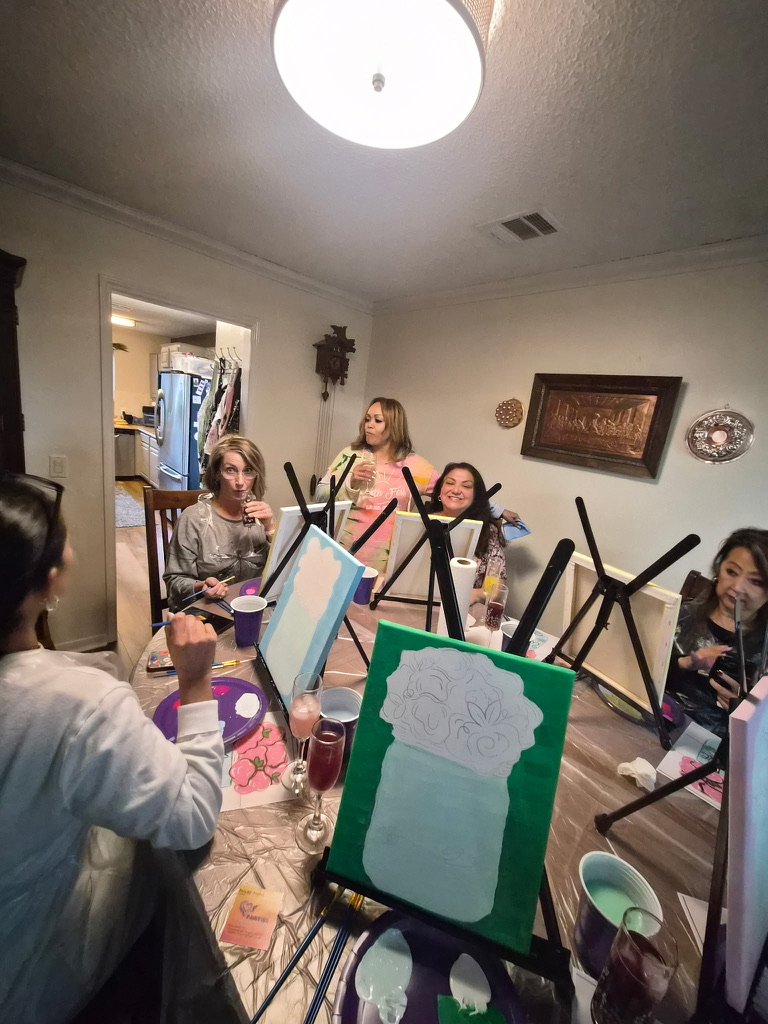
Starting a creative business is exciting. You picture the happy guests, the sold-out parties, the part where you finally get paid to do something you love. What nobody tells you is that the painting is the easy part. Everything around it, the planning, the people you hire, the slow stretches, is what actually makes or breaks you.
When I started Painting Your Art Out here in League City, I figured out pretty fast that my success wasn't really about whether I could paint. It was about who I chose to build with. The right website person. The right marketer. The right venues. And learning how to handle business relationships while my name was still brand new in the community.
So if you're thinking about starting your own paint party business, here's the stuff I wish someone had told me on day one.
Choosing the Right Website Designer
One of the biggest mistakes new owners make is hiring someone because they're cheap or because they promise it'll be done by Friday. Your website is your storefront. It's working for you while you're asleep, so it has to do more than look nice.
Before you hire anyone, ask whether they actually get your industry, whether they can make booking dead simple, and whether the site will work on a phone, because that's where most of your customers will find you. Ask if they can handle SEO so people can actually find you on Google, and ask if they're willing to explain their decisions in plain English. A good designer never makes you feel left out of your own project. They tell you why a choice matters for your growth, not just that it does.
Plenty of new businesses pour money into a gorgeous site that never brings in a single booking, because it was built to look good instead of to work. Yours needs to make a few things obvious within seconds: what you offer, where you travel, what it costs, how to book, and why you're different from the studio down the road. And don't expect it to be perfect out of the gate. Mine has changed more times than I can count as the business grew, and it'll keep changing. That's normal.
Picking the Right Marketing Person
Marketing can make or break a small business, and it's where the wildest promises get thrown around. Be careful with anyone who guarantees overnight success or "ten thousand followers fast." Real growth is slower and a lot less flashy than that.
A good marketer should understand your actual audience, your local community, and how to keep your branding consistent across social media and search. Before you sign anything, ask to see real businesses they've helped grow. Real names, real results.
Here's the honest truth about how most paint party businesses actually grow: word of mouth, repeat guests, showing up consistently on social media, and the relationships you build around town. That's it. Marketing isn't magic. It's repetition. It's staying visible long enough that when someone in Friendswood or Clear Lake is planning a birthday, your name is the one they remember.
Choosing the Right Places to Hold Paint Parties
Not every venue is right for a paint party. Some look amazing online and turn into a headache the second you start unloading supplies. Before you commit to a spot, walk it. Look at the parking, the lighting, and the noise level. Check whether there's room to spread out your supplies, what the food and drink situation is, and whether guests will actually be comfortable for two hours. And pay attention to the staff, because their attitude on event night matters more than the photos on their website.
Restaurants, breweries, coffee shops, wineries, churches, community centers, and private homes can all work beautifully, depending on who you're painting with. The best partners are the ones who promote the event alongside you, communicate clearly, understand what your setup needs, and actually want a long-term relationship instead of a one-off. You'll probably test a handful of spots before you find the few that feel like home. I did.
How Long Before You Start Seeing Revenue?
This is the question I get asked most by people thinking about starting out, so let me be straight with you. Most businesses aren't profitable right away. Some owners see real money within a few months. For others it takes a year or more to build momentum. Both are normal.
In the early days, a big chunk of whatever comes in goes right back out the door, into supplies, marketing, your website, equipment, venue fees, advertising, insurance, and all the little setup costs nobody warns you about. There were stretches where I worked hard, ran great events, and still watched the money disappear back into the business. That stung. But it didn't mean I was failing.
Consistency beats quick success every time. Most businesses grow slowly because trust grows slowly. People need to see your name more than once before they hand you their daughter's birthday party. Every event, every post, every blog, every flyer, every conversation builds a little more credibility. It adds up. You just can't see it adding up while you're in it.
Disagreements You'll Have With Vendors
Business relationships aren't always smooth, and you should expect a few bumps with the people you work with, whether that's your website designer, your marketer, a venue, a supplier, or a printer. The usual culprits are miscommunication, missed timelines, pricing that didn't match expectations, and two people picturing two completely different things.
The single best habit you can build is keeping communication professional and written down. Use real agreements. Ask your questions before any money changes hands, not after. Don't assume anyone automatically understands your vision, because they don't. They're not in your head. Spelling things out clearly up front kills most problems before they start.
And here's the part people don't like to say out loud: not every partnership is meant to last. Sometimes you outgrow a vendor. Sometimes they were never the right fit for how you work. Letting that go isn't failure. It's just business.
Getting Your Name Out There at the Start
The hardest part of the beginning is that almost nobody knows you exist yet. This is exactly the stage where showing up consistently matters most.
Post regularly. Share the photos and videos from your events, because people want to see real faces having a real good time. Ask happy guests for reviews. Partner with local businesses, get out to community events, and set up your Google Business Profile so people in your area can find you. Write blogs on your site, offer a referral discount, and get active in your local Facebook community pages. You don't need thousands of followers to build something real. You need trust, visibility, and guests who walk away genuinely happy.
One satisfied customer can turn into five through word of mouth alone. I've watched a single Kemah birthday party turn into three more bookings because one mom told her friends. Never underestimate what simply showing up, over and over, can do.
So Should You Do It?
Starting a paint party business is creative and genuinely rewarding, and it'll also test your patience in ways you don't expect. There will be nights things go sideways. You'll question your pricing, your marketing, and whether anyone's even paying attention.
Keep building anyway. Most of the businesses that make it are just the ones that kept going when other people would've quit. Every event teaches you something. Every rough patch sharpens what you're doing. Focus on the relationships, stay professional, keep getting better at your craft, and give people an experience they'll talk about. Do that long enough and your name starts to mean something. That's how brands get built.
If you're running events around Houston, League City, or the bay area and want to compare notes, reach out. I'm always happy to talk shop. And if you'd rather just come paint with us instead of running the whole circus yourself, take a look at our upcoming events.
What's the one thing holding you back from starting?
Written by Pauline Thomas with first-hand expertise. AI tools may be used for research and drafting assistance, but all content is reviewed, verified, and published by the author.